





 Shop the gift


Managed Shopify funnels: what a funnel team does for you
Managed Shopify funnels are funnels a team builds, tests and reports on for you, from the page your ad points to through to the offer after checkout. Plans such as GemBoss Managed start at $690 a month, and nothing goes live until you approve it.
Quick answer
- What it is: a team runs your funnel pages and tests every week. You make the final call on each change.
- Who it fits: brands that buy traffic, such as Meta ads, with no one who has the hours to test pages weekly.
- How to judge it: tests read on revenue per session, a weekly report that ends in a decision, and nothing published without your yes.
- What it does not do: run your ads. You still launch them.
Here is who does what in a managed funnel.
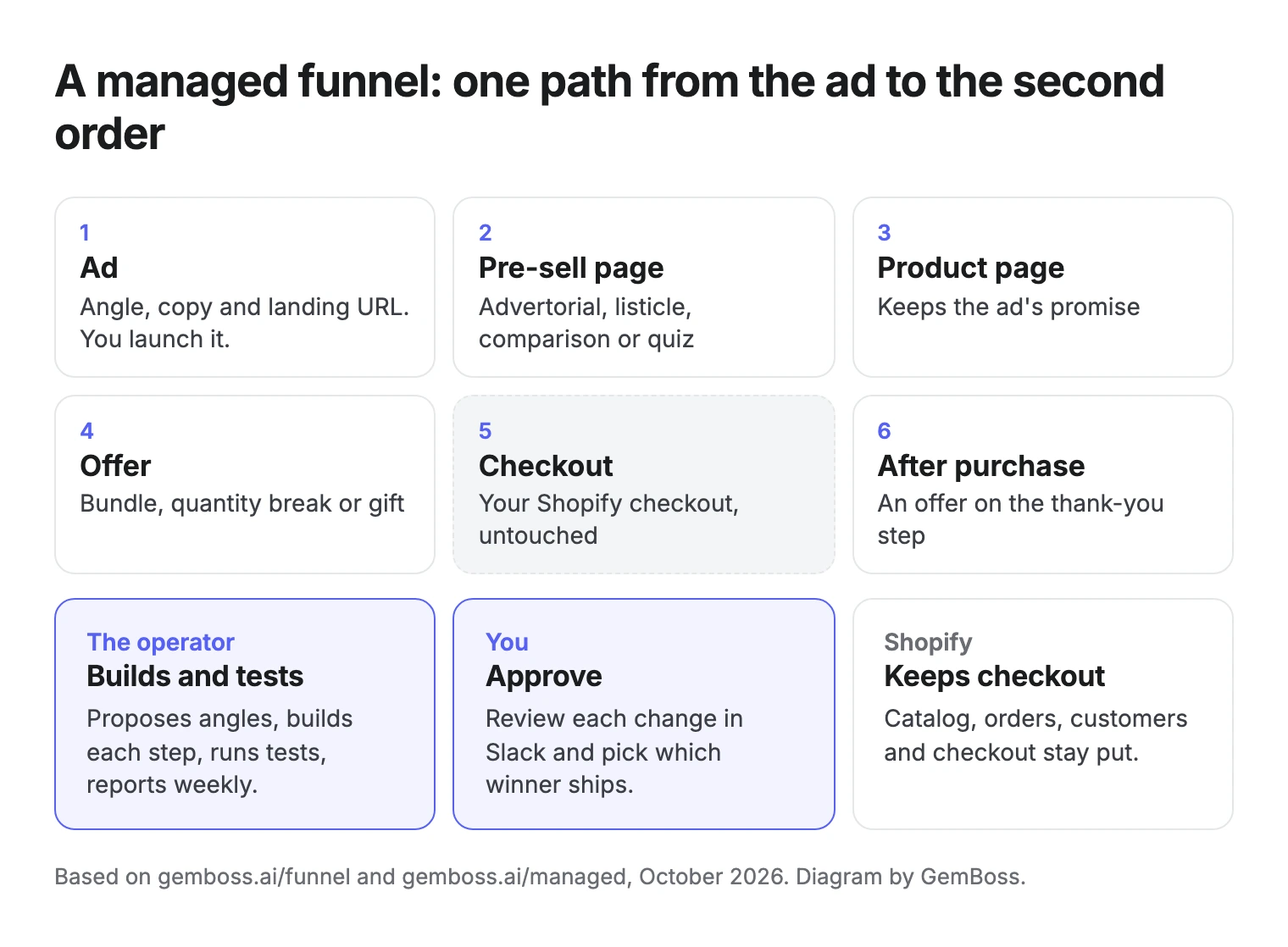
What are managed Shopify funnels?
A sales funnel is the path that turns a stranger into a customer. Shopify's sales funnel guide describes it as a series of experiences that turn unaware prospects into paying customers.
On a Shopify store that buys traffic, the funnel is concrete: the ad, a pre-sell page such as an advertorial or a quiz, the product page, the offer, the checkout and the offer after it. A landing page ends at the click. A funnel carries the shopper to the first order and then to the second.
"Managed" means someone else runs that path every week, while you keep the decisions.
Who builds the funnel? Three ways compared
| DIY funnel app | Agency or freelancer (builder or agency?) | Managed funnel service | |
|---|---|---|---|
| Who builds the pages | You | The agency | A dedicated operator |
| Who runs the tests | You | Depends on the contract | The operator; you approve winners |
| Your time each week | Hours | Reviews and calls | Approvals in Slack |
| How you pay | Monthly app plan | Per project or retainer | Monthly, by funnels shipped |
| Example | ConvertFlow, ClickFunnels | Any CRO agency | GemBoss Managed |
| Best for | Teams with testing hours and a tight budget | One-off redesigns or custom scope | Paid traffic with no one free to test weekly |
DIY apps make building fast. ConvertFlow, one of the pages ranking for this search, offers 400+ funnel templates and 100+ popup templates. Checkout Champ's list of funnel builders compares the DIY options side by side.
The catch is time. A template is a starting point, and every test still needs someone to plan it, build the variant, wait for a clean result and ship the winner.
A DIY app buys you tools; a managed service buys you the hours.
What does a managed funnel team do each month?
The GemBoss pricing page publishes a four-step month that repeats:
- Week 1: the team reads your ads and your competitors' ads, then proposes angles.
- Week 2: it builds a funnel for each angle you approve.
- Week 3: the tests go live. Nothing ships without your OK.
- Week 4: you get the report: what won, and what gets tested next.
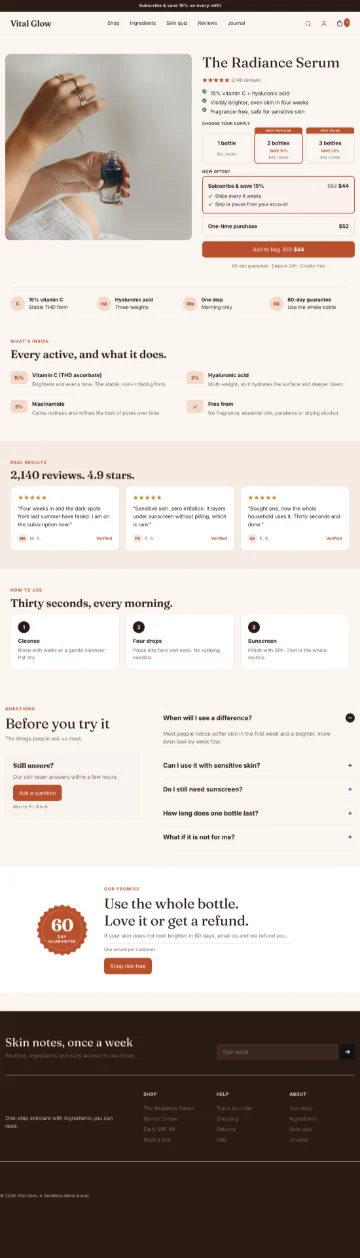
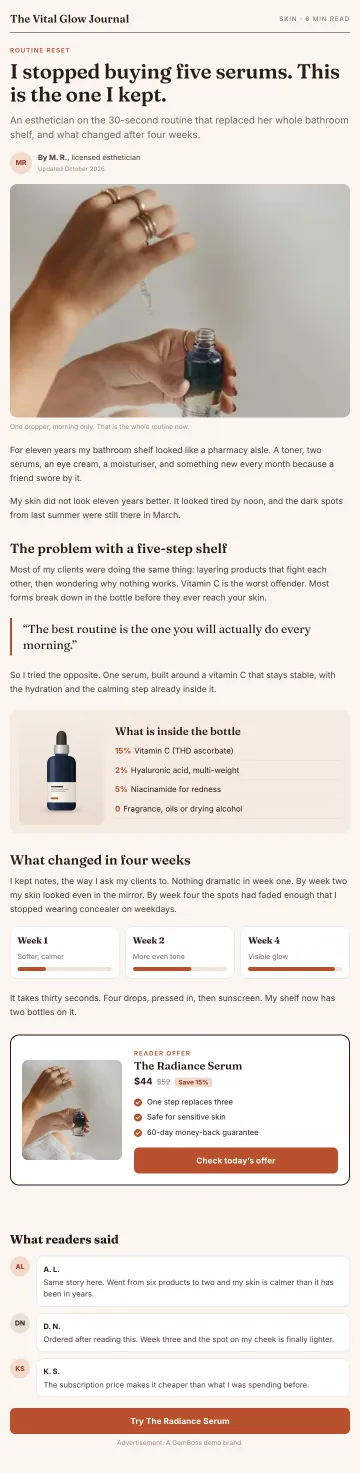
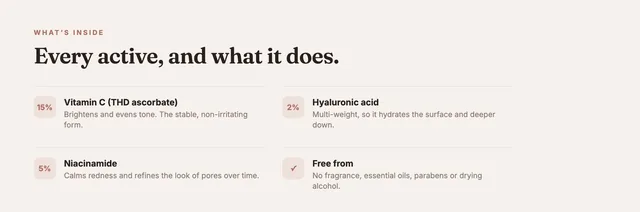
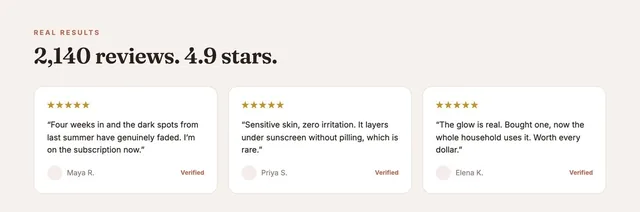
Each proposed angle arrives with a hook, a brief and a landing URL:
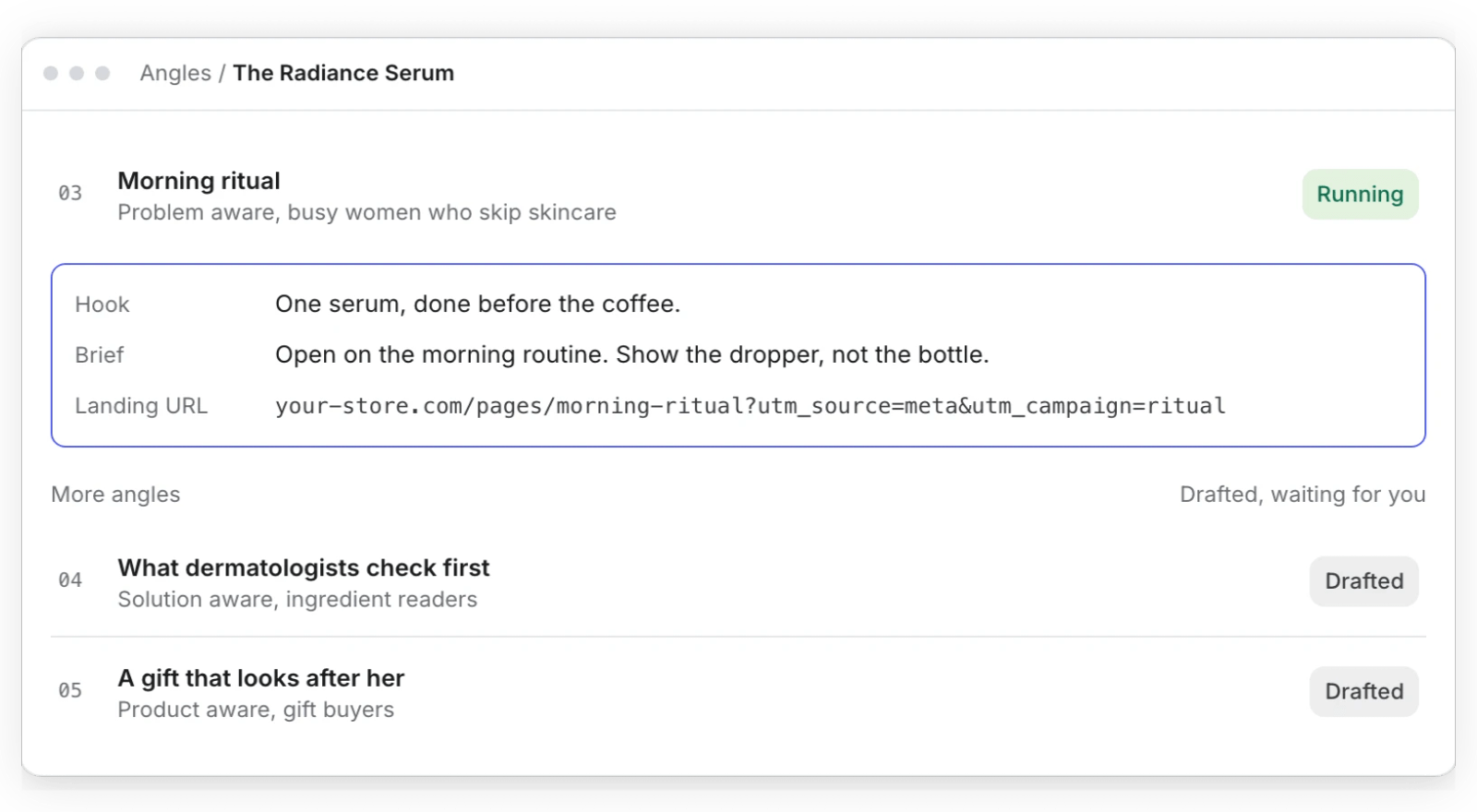
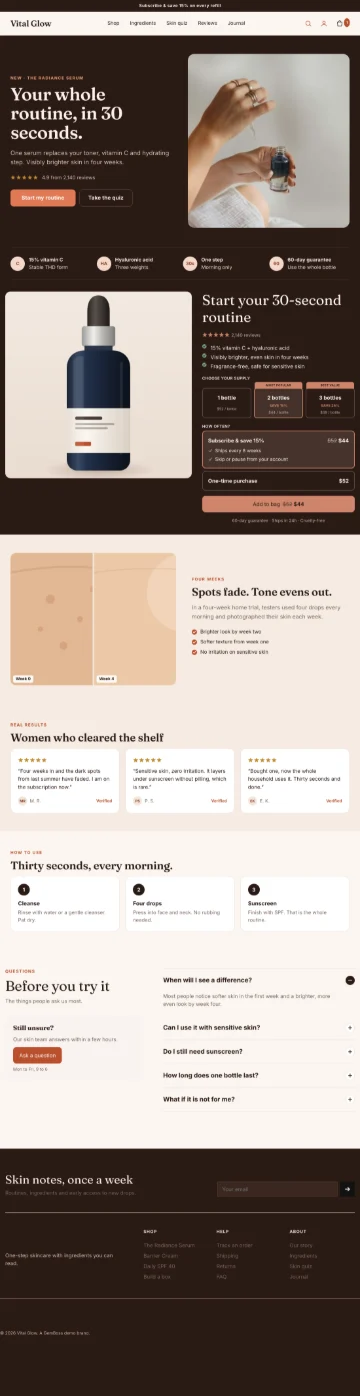
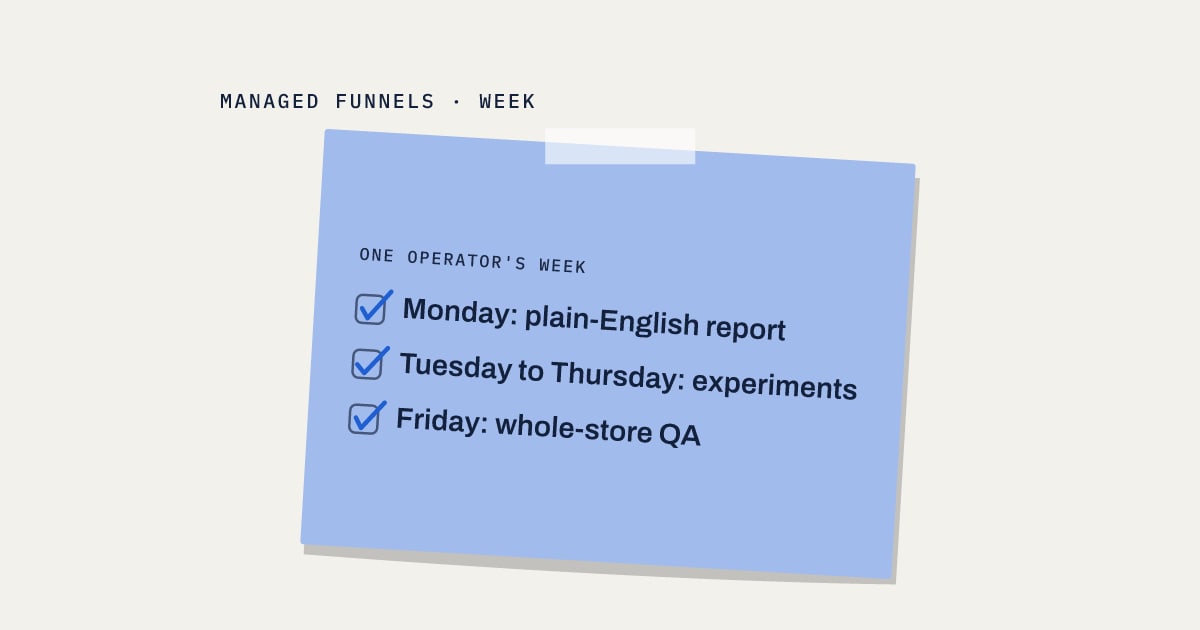
Inside each week, the rhythm on the Managed page is just as fixed: a plain-English report on Monday, experiments from Tuesday to Thursday, and a QA check of the whole store on Friday. In the demo, one operator's week looks like this:
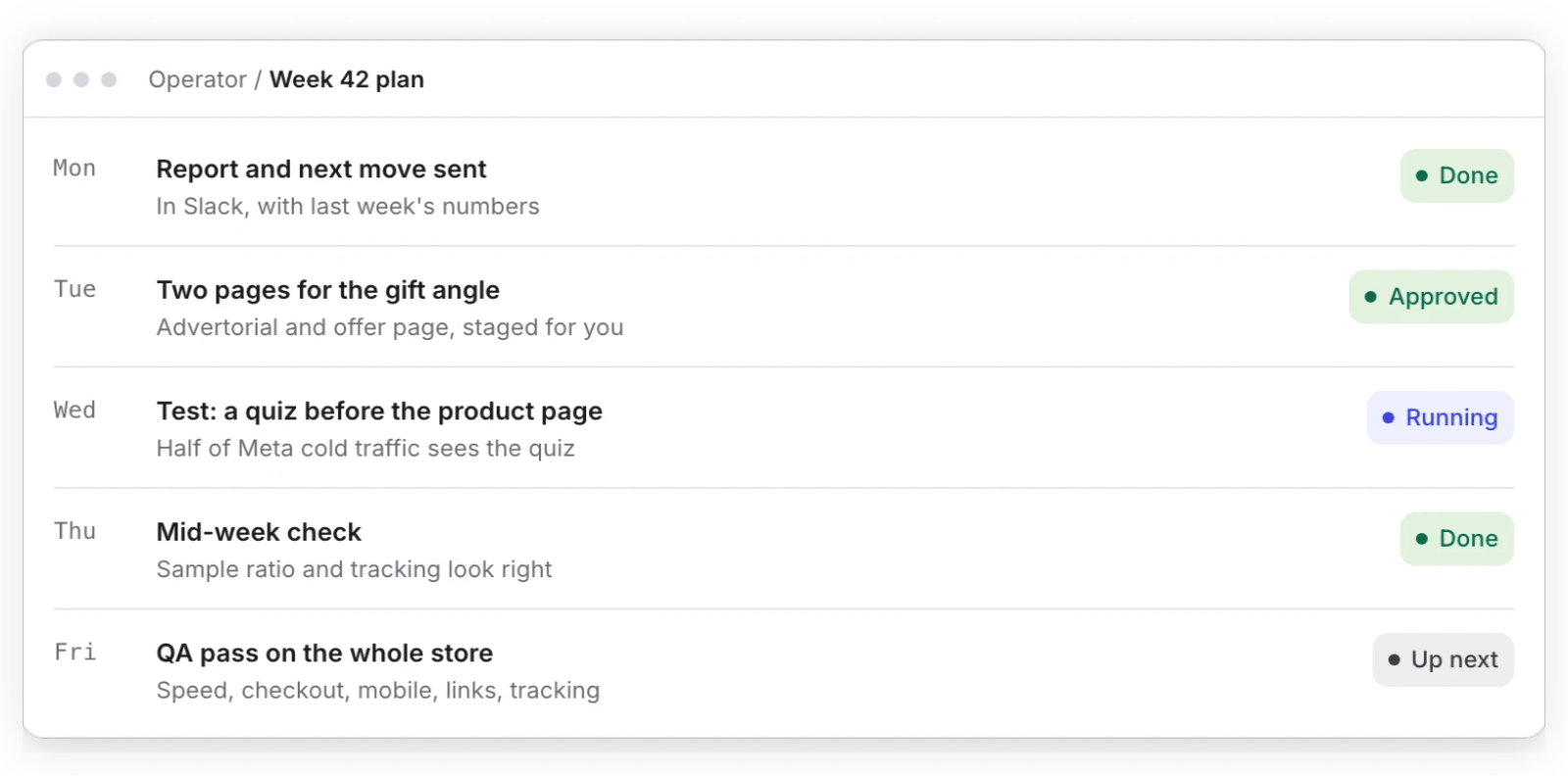
You always know what happened in the past week and what happens next.
Where do Shopify funnels leak?
A funnel loses money at the step where the shopper's expectation breaks. A good team finds the sign of the leak first, then checks the likely cause before it builds a test. Use this table on any Shopify funnel:
| Step | Sign of a leak | What to check first |
|---|---|---|
| Ad to pre-sell page | Many clicks, few scrolls | Does the headline repeat the ad's promise? |
| Pre-sell page to product page | Few clicks through to the product | Is there one clear next step, and does the page load fast on a phone? |
| Product page | Visitors leave before adding to cart | Price, proof and offer near the top; reviews visible on mobile |
| Offer | Order value flat after a bundle launch | Is the saving clear, and is the bundle easy to pick? |
| Checkout | Many checkouts started, few finished | Shipping costs and discount codes shown before checkout |
| After purchase | Few second orders | An offer on the thank-you page, or a refill reminder |
Shopify's guide to conversion funnel leaks goes deeper on the data to pull for each stage.
Here is the product-page row on a real phone screen: Ridge's wallet page puts price, proof and offer in the first view.
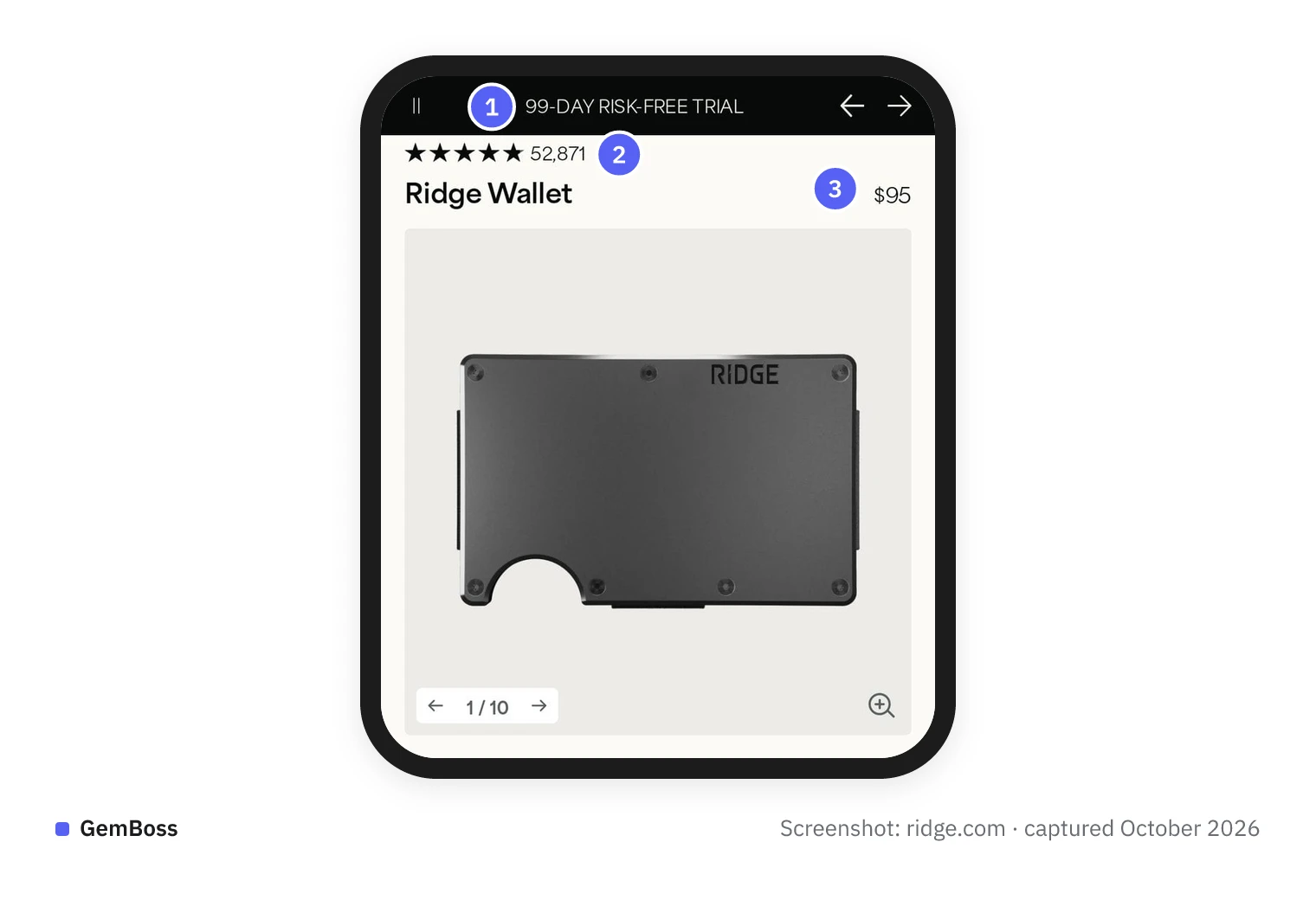
- The offer, a 99-day risk-free trial, in the rotating bar at the very top.
- Proof, the star rating and review count, above the product name.
- The price, beside the product name.
Fix the step with the clearest leak first, then test.
How are funnel tests read?
Most funnel guides track conversion rate. Shopify's guide defines it as purchases divided by unique visitors, and puts the average ecommerce conversion rate in 2026 at 2.72%. Industry matters: 3.31% for health and well-being against 1.58% for food and drink, per IRP Commerce data for December 2025.
Conversion rate alone can mislead in a funnel. A cheaper offer can lift orders and lower the money each visit brings in. So a good team reads every test on revenue per session, through to the order. If you run your own tests, our Shopify A/B testing playbook shows how without a data team.
Read every test on the money it brings in.
Two checks before anyone calls a winner
The first check is for peeking. In Always Valid Inference, Ramesh Johari, Leo Pekelis and David Walsh show that standard p-values and confidence intervals become "wholly unreliable" when people keep watching a test and stop it when the numbers look good. Their fix, always-valid intervals, stays correct whenever you look.
The second check is the split. A sample ratio mismatch means a test meant to split traffic 50/50 did not, which points to a bug in how visitors were assigned or counted. Microsoft researchers warn that ignoring one "may result in a bad product modification appearing to be good and getting shipped".
This demo headline test shows both checks.
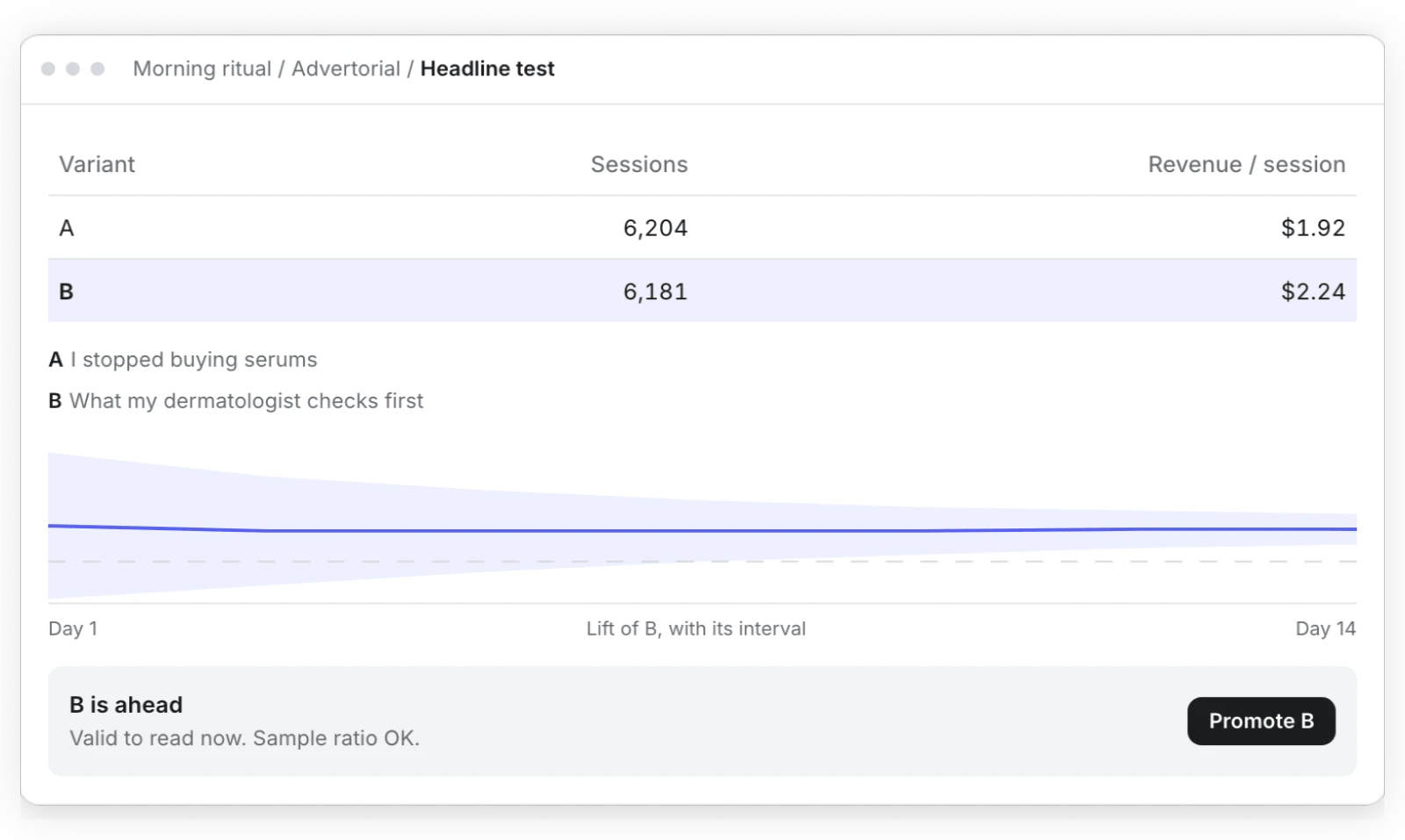
The band around B's lift narrows over 14 days, and the card says the result is valid to read and the split is sound. GemBoss reads its tests this way, with always-valid sequential tests and a sample-ratio check on every split, as described on the funnel page.
Ask any team how it handles both checks before you trust a result.
The other numbers worth watching
Shopify's guide lists more funnel metrics than conversion rate. Three matter most for a brand that buys traffic:
- Cost per acquisition: total campaign cost divided by conversions. Shopify's example: a $5,000 campaign that drove 500 sales has a CPA of $10.
- Average deal size: Shopify's name for order value. Bigger first orders free more cash for acquisition.
- Churn rate: for subscriptions, the share of customers who leave each period. Shopify's example: 20 cancellations from 500 subscribers is 4% a month.
Ask for these next to revenue per session, so one win cannot hide a loss.
What should a weekly funnel report show?
A report is how you judge the team without doing their job. A useful Monday report has four parts:
- The numbers that matter, such as revenue per session, conversion, average order value and speed, each with its week-over-week change.
- Every experiment, and whether it shipped, is still running or was stopped.
- The QA result for the whole store.
- One recommended next move, ready for you to approve.
Here are the same four parts, numbered, in a demo report:
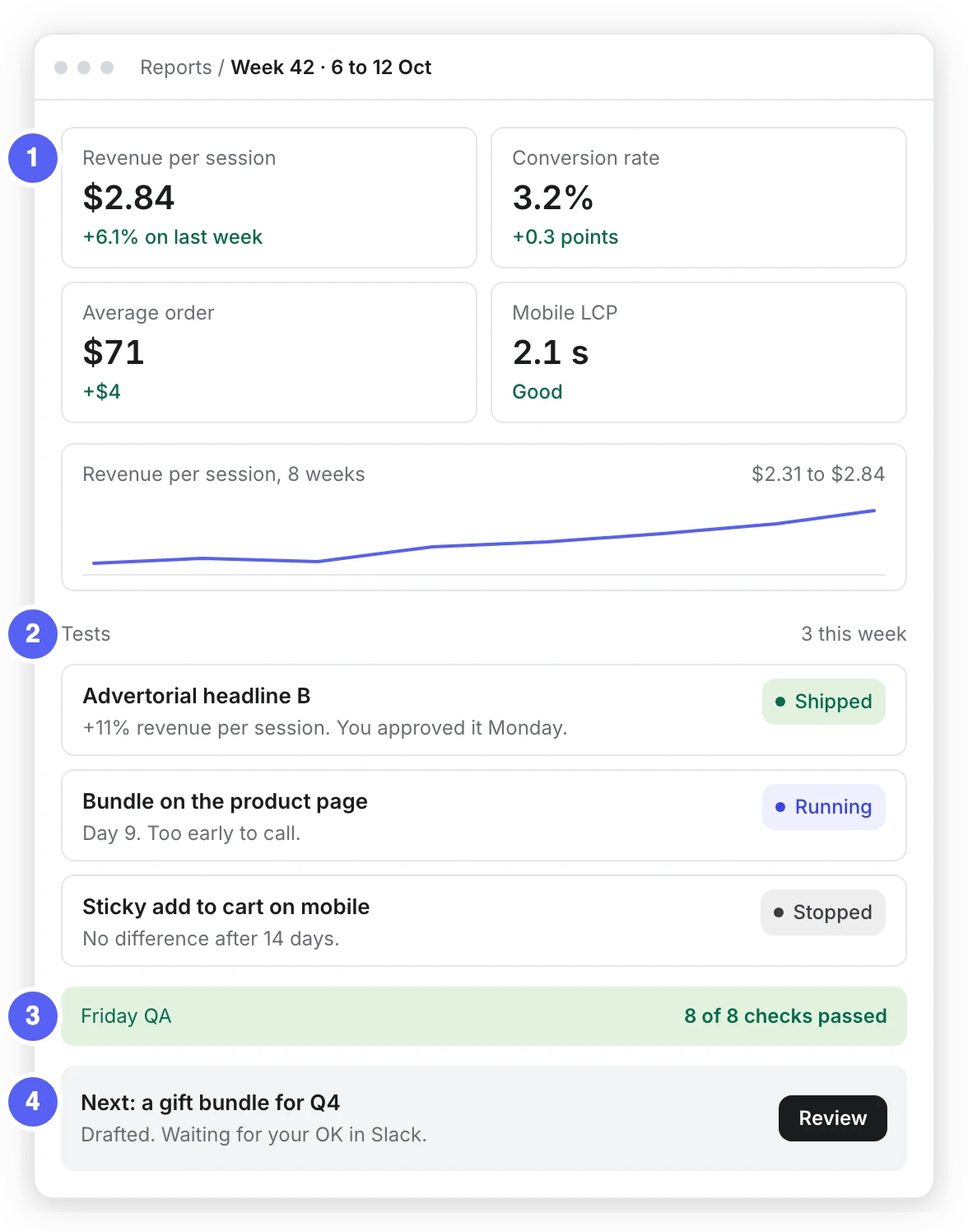
Use the same list to judge any agency or service. If a report shows pageviews and clicks but no revenue, or no next move, ask for both.
A report should end with a decision for you.
What a Friday QA should check
Funnels break quietly: a price drifts from Shopify, a tracking tag stops firing, a page slows down on mobile. A weekly QA pass catches these before they cost a week of ad spend. The demo pass below has eight checks; a person reviews the pass, backed by automated checks:
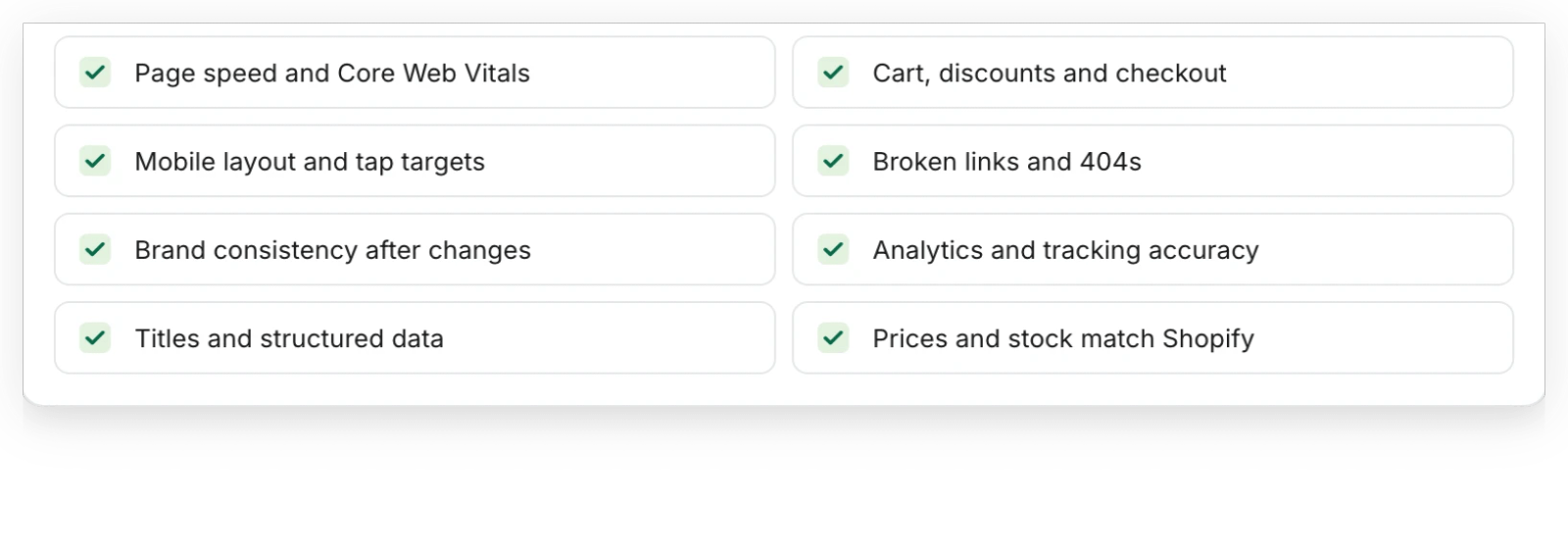
For speed, use Google's thresholds. Google's Core Web Vitals guidance counts a page as passing when, at the 75th percentile of page loads, LCP is within 2.5 seconds, INP is 200 milliseconds or less and CLS is 0.1 or less.
Who approves a change?
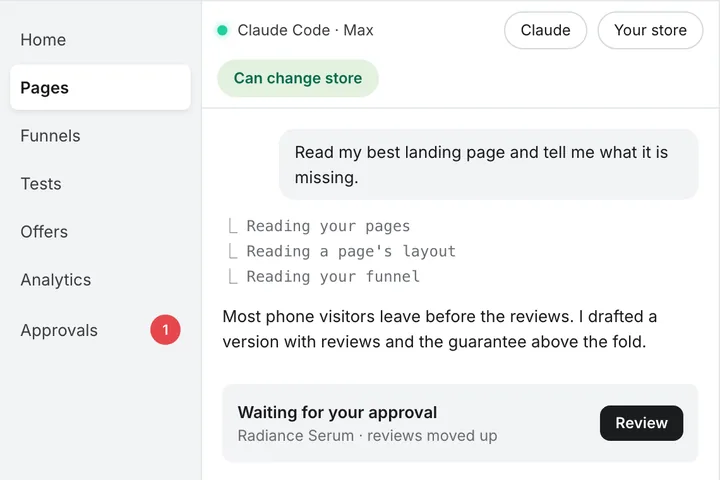
You should, every time. On a managed plan, the operator proposes and builds each change, then brings it to you with the evidence. Where that happens matters less than the rule: nothing goes live without a yes from someone on your side.
In the demo below, the operator posts a result in Slack and the brand answers.
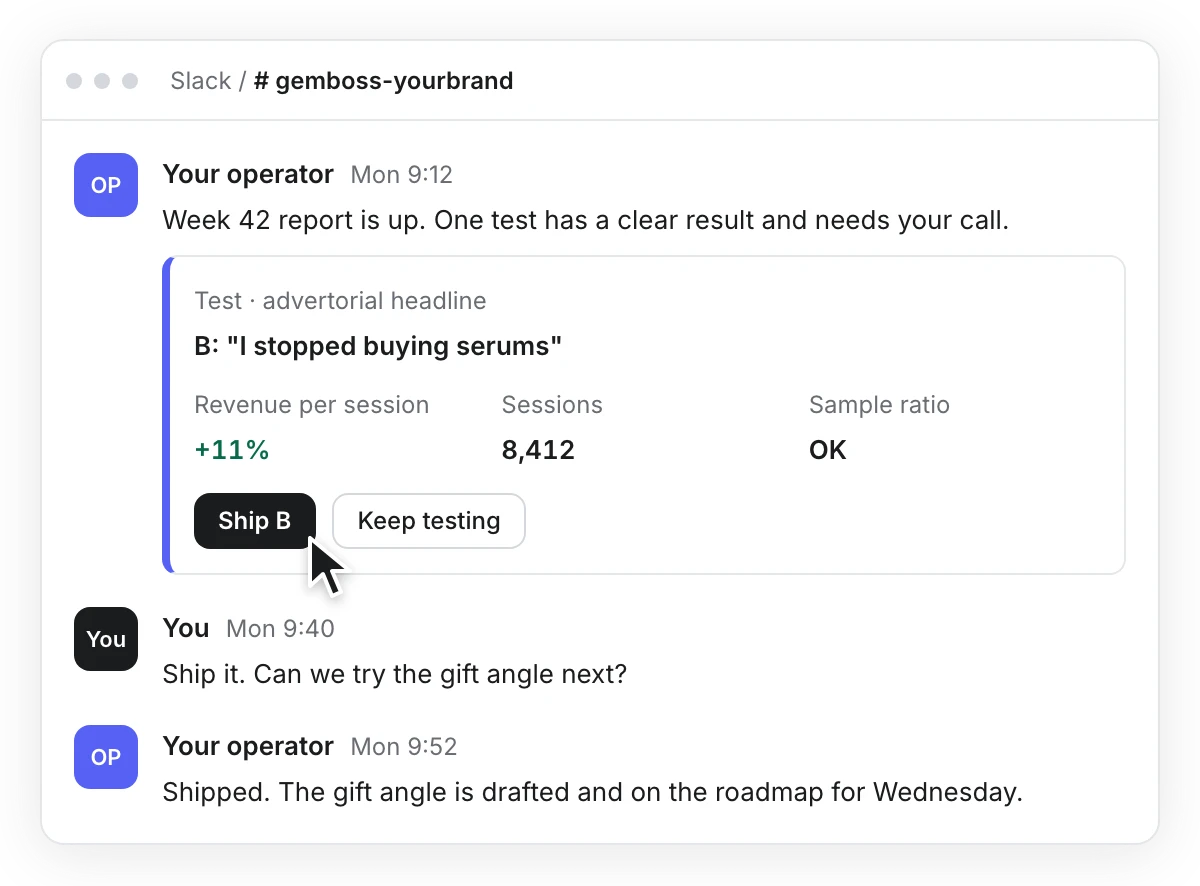
If a team cannot show you where approvals happen, ask before you sign.
What does a managed funnel cost?
Costs come in three shapes. DIY funnel apps charge a monthly plan, such as ClickFunnels: its pricing page lists Launch at $97 a month and Scale at $197 (read October 26, 2026). Agencies price per project or on a retainer and set their own terms. Managed services charge monthly, by how much they ship.
GemBoss prices Managed by the new angles shipped each month:
| Plan | New funnels a month | Price | Included |
|---|---|---|---|
| Managed 2 | 2 | $690/month | The Growth plan |
| Managed 4 | 4 | $1,290/month | The Growth plan |
| Managed 8 | 8 | $2,490/month | The Scale plan and the headless storefront |
Each angle becomes its own funnel or test variant. Every plan includes a private Slack channel, a weekly report and a test plan, and annual billing saves 20%. If you would rather build yourself, the self-serve plans start at $49 a month, with the same engine.
What a managed funnel service does not do
Three limits are worth knowing before you book a call:
- It does not run your ads. The team writes ad angles, copy and the landing URL for each angle, but you launch the ads yourself.
- It does not publish on its own. Every change is staged and reviewed with you. You can approve, change or decline it.
- It should not lock you in. Ask what stays yours if you cancel: pages, data and reports.
What other guides to Shopify funnels leave out
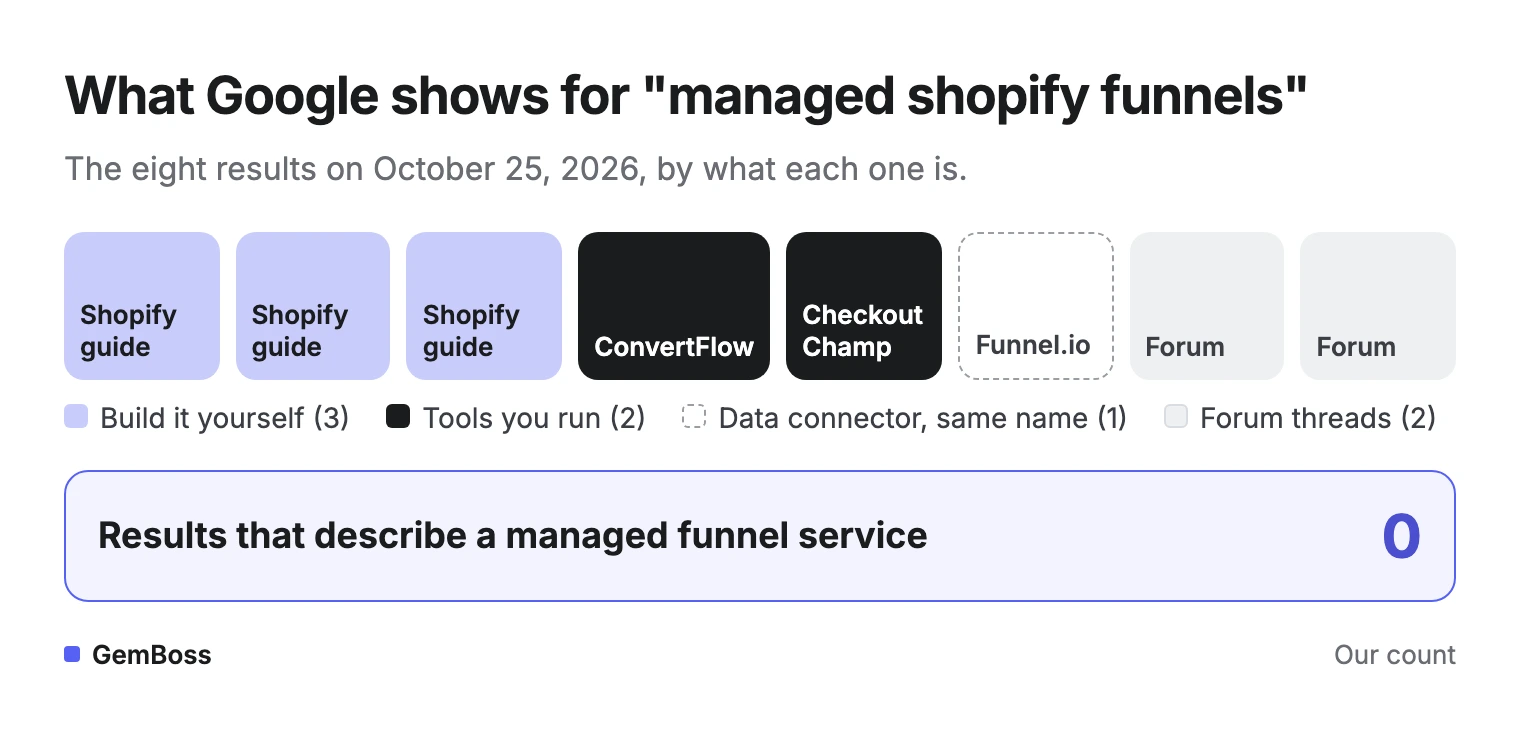
We checked the eight Google results for "managed shopify funnels" on October 25, 2026 (rechecked October 26): three Shopify guides, two funnel tools, one marketing-data connector and two forum threads. We read the six that are not forum threads. They are useful for learning, and they share three gaps:
- None of them is managed. Shopify's three guides teach you to build and fix a funnel yourself. ConvertFlow and Checkout Champ sell tools you run yourself. Funnel.io is a data connector that only shares the name.
- The guides lead with conversion rate. Shopify's guide calls it one of the most important funnel metrics, but on its own it misses a change that helps one step and hurts the next.
- They skip who approves what. None of the six pages explains who decides when a test is done, who ships the winner, or what happens each week.
Here are the eight results, by what each one is.
Questions to ask before you hire a funnel team
Whoever you hire, ask these six questions on the first call:
- Who builds the pages, and is it the same person every week?
- How are tests read: conversion rate, or revenue per session through to the order?
- How do they handle peeking and sample ratio checks?
- Who approves a change before it goes live, and where does that happen?
- What stays in Shopify, and what leaves with you if you cancel?
- Do they run your ads, or only the pages the ads point to?
The answers tell you more than a case study. A team that answers all six plainly has nothing to hide.
Is a managed funnel service worth it?
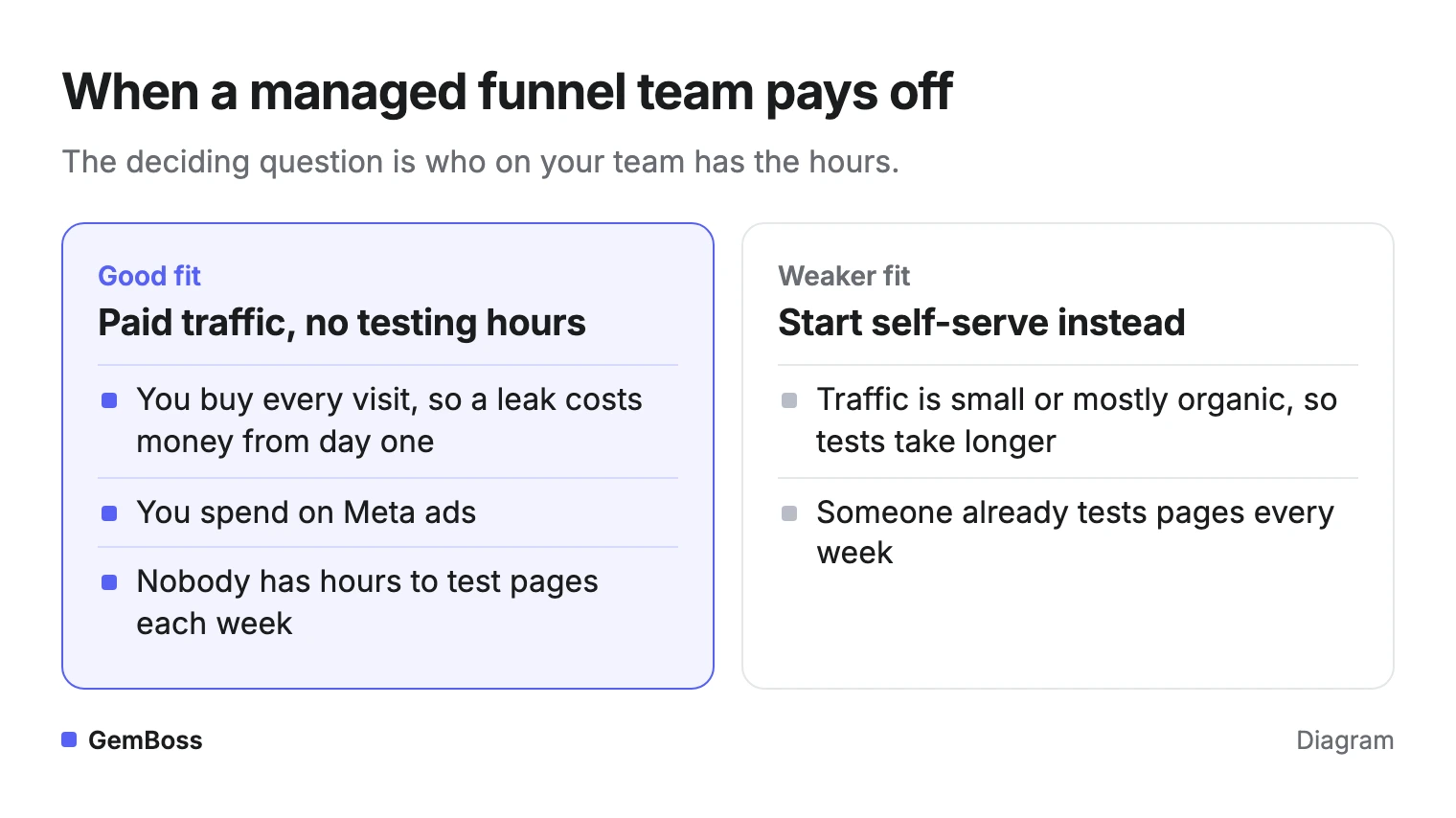
It pays back fastest on paid traffic, because you buy every visit and a leaking funnel costs money from the first day. If you spend on Meta ads and nobody on your team has the hours to test pages every week, the service fills that gap.
It is a weaker fit if your traffic is small or mostly organic, because tests take longer to give a clear answer. It is also a weaker fit if someone on your team already tests pages each week. In that case a self-serve plan, or our guide to storefronts that need your yes for every change, is the better start.
The real question is who on your team has the hours.
The two cases side by side:
How GemBoss handles this
GemBoss Managed gives you one operator who works the monthly plan above on your store. Tests are read on revenue per session with sequential tests and a sample-ratio check, a QA pass runs every Friday, and every change waits for your OK in a private Slack channel. Your catalog, orders and customers stay in Shopify, the storefront runs on the open gem framework you own, and analytics export to CSV.
If you only need one landing page in your current theme, a page builder app is simpler. See how Managed works.
What to do this week
- Count your test hours. Write down how many hours a week your team spends building and testing funnel pages. If the honest answer is zero, that is the gap.
- Find your clearest leak with the table above, starting from the step after the ad.
- Ask any agency or service the six questions above, and compare the answers side by side.
Frequently asked questions
Do sales funnels really work?
They work when each step keeps the promise of the step before it. A shopper who clicks an ad about a problem should land on a page about that problem, then reach an offer that fits. Funnels fail when steps disagree, so test the whole path and read it on revenue per session.
What is the difference between a sales funnel and a marketing funnel?
People often use the terms for the same thing. Shopify's marketing funnel guide draws one line: marketing funnels sometimes end with lead capture, while sales funnels always end with a purchase. A managed funnel service works on the sales funnel, from the ad to the order and the offer after it.
How much do managed Shopify funnels cost?
On GemBoss, Managed costs $690 a month for 2 new funnels, $1,290 for 4 and $2,490 for 8, with a self-serve plan included and 20% off for annual billing. Agencies set their own terms, so ask any of them what a month of tests includes.
Do I still control what goes live?
You should, and on GemBoss Managed you do. Your operator proposes and builds each change, then reviews it with you in a private Slack channel before it ships. You can approve it, change it or decline it, and the operator ships only what you approve.
Do I need to run paid ads for this to be worth it?
Paid traffic pays back fastest, because every visit costs money and a leak shows up right away. The same funnels work on email, SMS and organic traffic, but with less traffic, tests take longer to give a clear answer, so a managed plan is harder to justify.
Can I run Shopify funnels outside the Liquid theme?
Yes. On GemBoss, funnels run on their own pages and checkout stays on Shopify, while your current theme keeps serving the rest of the store. Moving the whole store is the optional storefront add-on.
Sources
- Shopify, What is a sales funnel?, Marketing funnel guide and Conversion funnel leaks, read October 25, 2026.
- Ramesh Johari, Leo Pekelis and David Walsh, Always Valid Inference: Bringing Sequential Analysis to A/B Testing, arXiv, revised July 2019.
- Aleksander Fabijan and colleagues, Diagnosing Sample Ratio Mismatch in Online Controlled Experiments, KDD 2019, Microsoft Research.
- Google, Web Vitals, web.dev.
- ConvertFlow, Shopify funnels; ClickFunnels, pricing, read October 26, 2026; Checkout Champ, The 8 best sales funnel builders for Shopify.
- GemBoss, pricing, Managed and funnel pages, October 2026. Screens in this guide come from the demo brand Vital Glow on gemboss.ai and use illustrative data.
- Screenshot of Ridge, captured October 2026
A store you own, run for you
See GemBoss build on your brand. Open framework, your data, no lock-in, and keep optimizing it every week.
Request a demo →Want this every morning? GemNews puts a Shopify and AI briefing in every new tab, free.